I turned scattered marketing knowledge into a grounded campaign workflow.
A real B2B product. A real Google Search use case. A reusable system that generates assets, checks claims against evidence, revises overstatements and escalates uncertainty to a human.
Situation
Real B2B product, live Google Search context, and marketing knowledge scattered across product, commercial and customer sources.
Task
Turn that knowledge into a governed context layer and translate a PMM brief into a reusable agentic marketing workflow.
Action
Build reusable skills, decision rules, human escalation, sprint-based testing, campaign generation, revision and cross-platform evaluation.
Result
19 campaign-ready RSA assets, 3 genuine issues caught and revised, and 6/6 matched decisions in both defined evaluation checks.
Situation · Understand the real marketing environment
Sections 01–03 establish the business problem, real campaign context and the evidence the company actually has.
The problem was not “can AI write an ad?”
The harder problem was: can AI tell which marketing claims are supported, which are overstated, and which require a human?
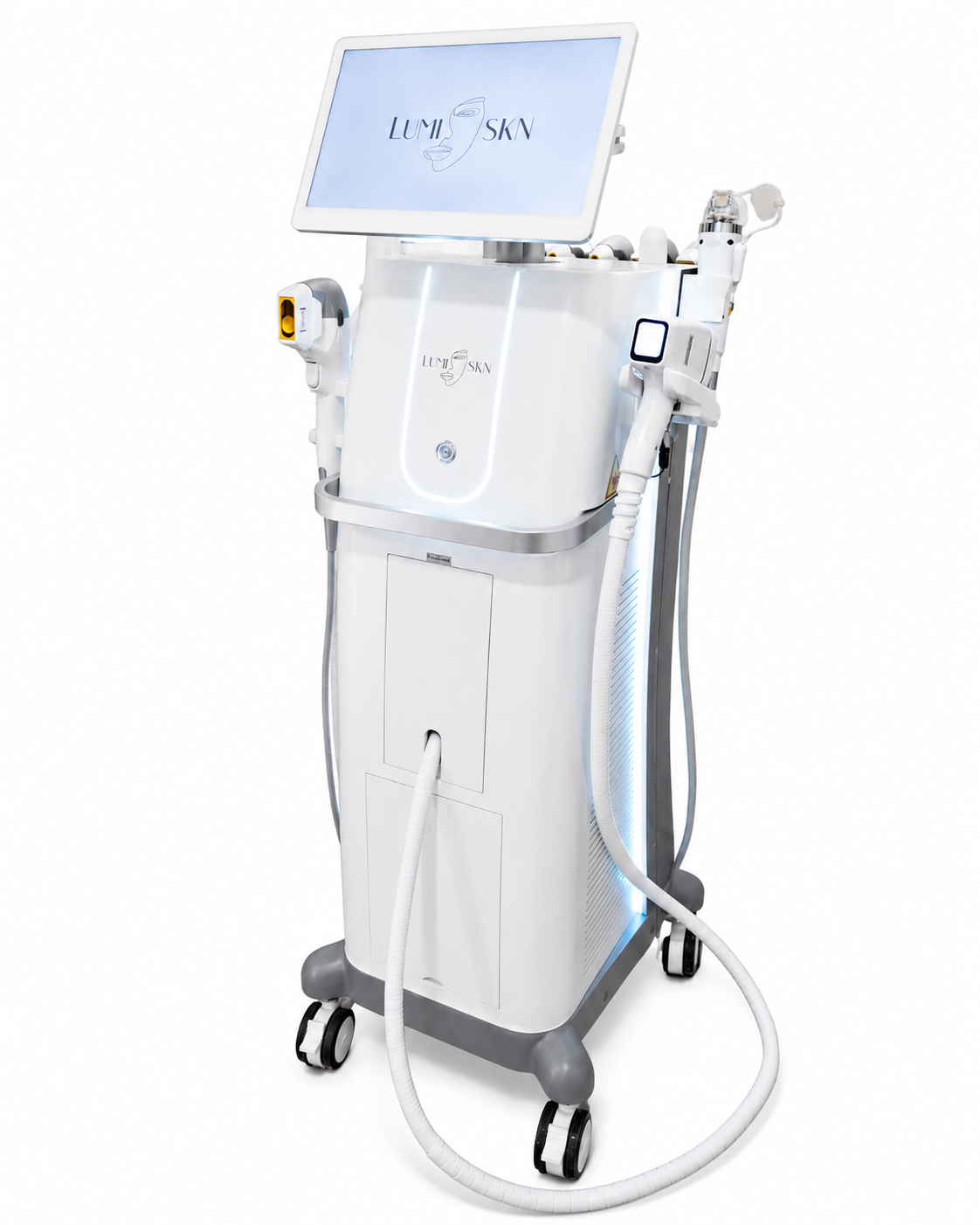
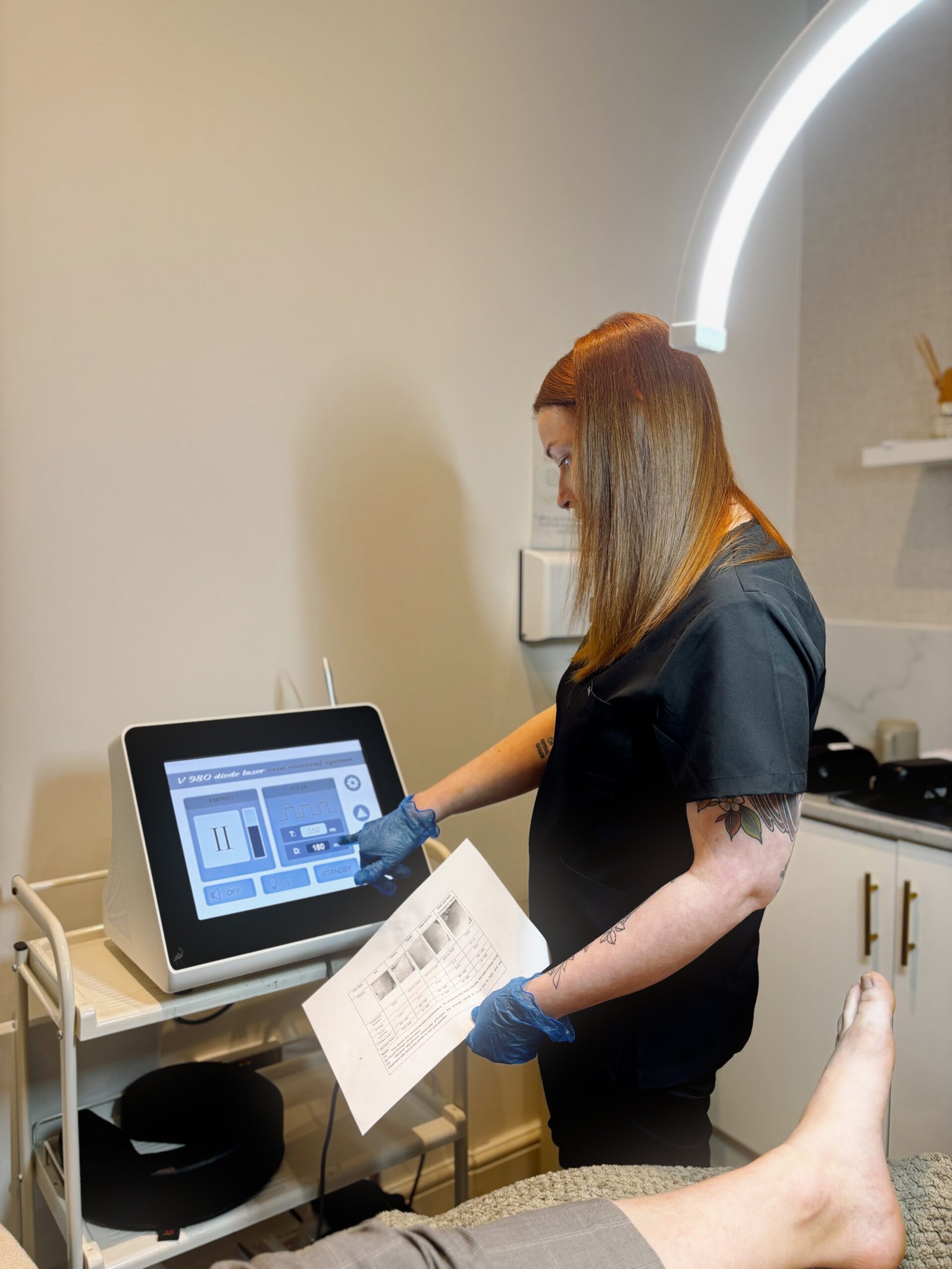
4-in-1 device, technologies, specs, warranty
£25,999 + VAT, finance, rental, free demo
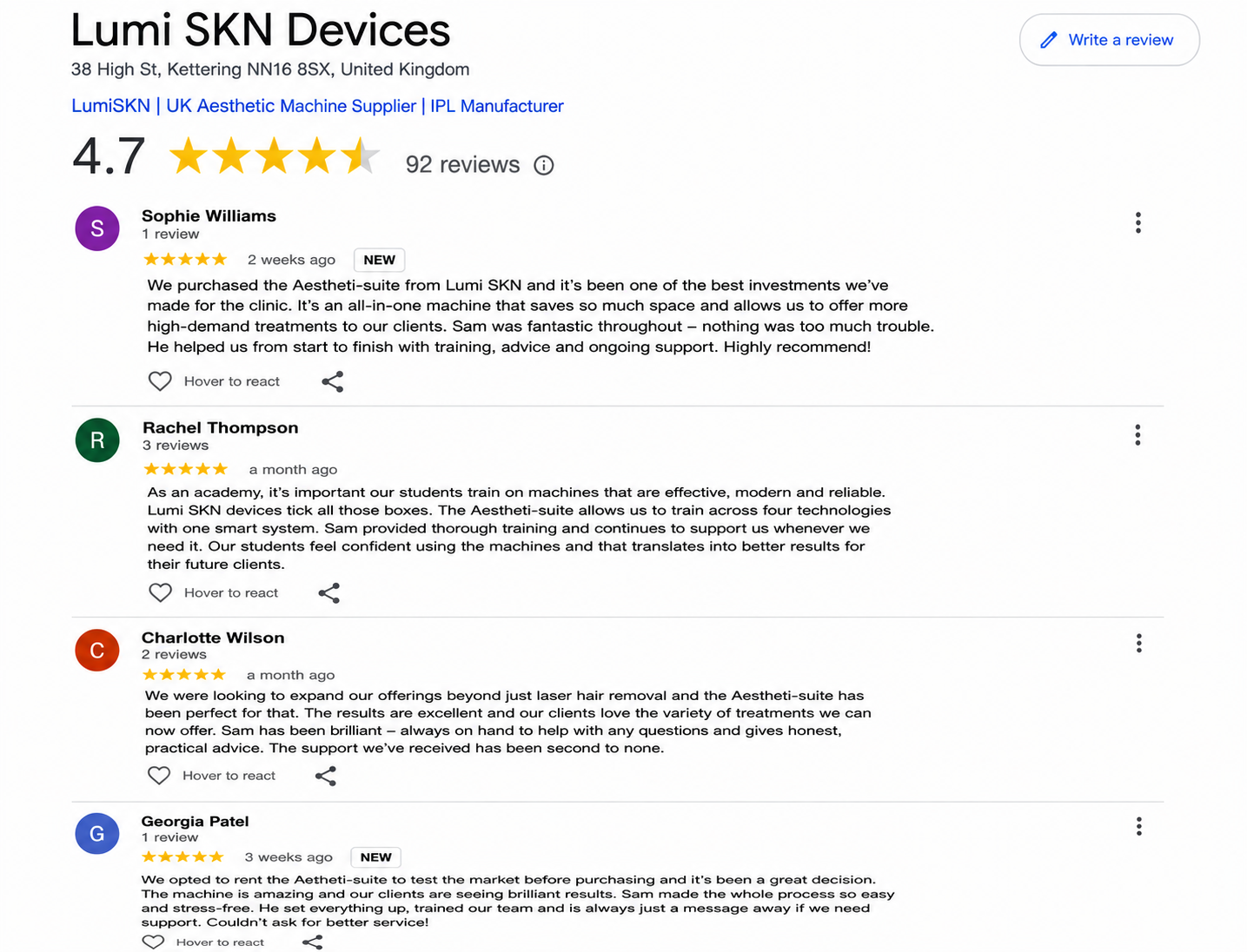
UK clinic reviews and treatment-expansion stories
Illustrative earnings, “painless”, regulatory claims
I structured that knowledge so the model did not have to rediscover, infer or invent the rules every time.
Start from a real Google Search campaign.
A live Aestheti-Suite responsive search ad already existed. I did not use its performance as proof of success. I used it as the real-world campaign context for a more important question: how can marketing AI generate campaign assets while staying grounded in approved organizational knowledge?
The prototype measures workflow quality and claim traceability — not ROAS or campaign lift.
First, decide what the company actually knows.
I collected product, commercial, training, customer and brand information, then separated usable evidence from claims that still needed verification. This became the raw material for the Context Layer.



Task · Define what the marketing system must know and do
Sections 04–05 turn the evidence into structured context and translate the PMM request into clear technical operating requirements.
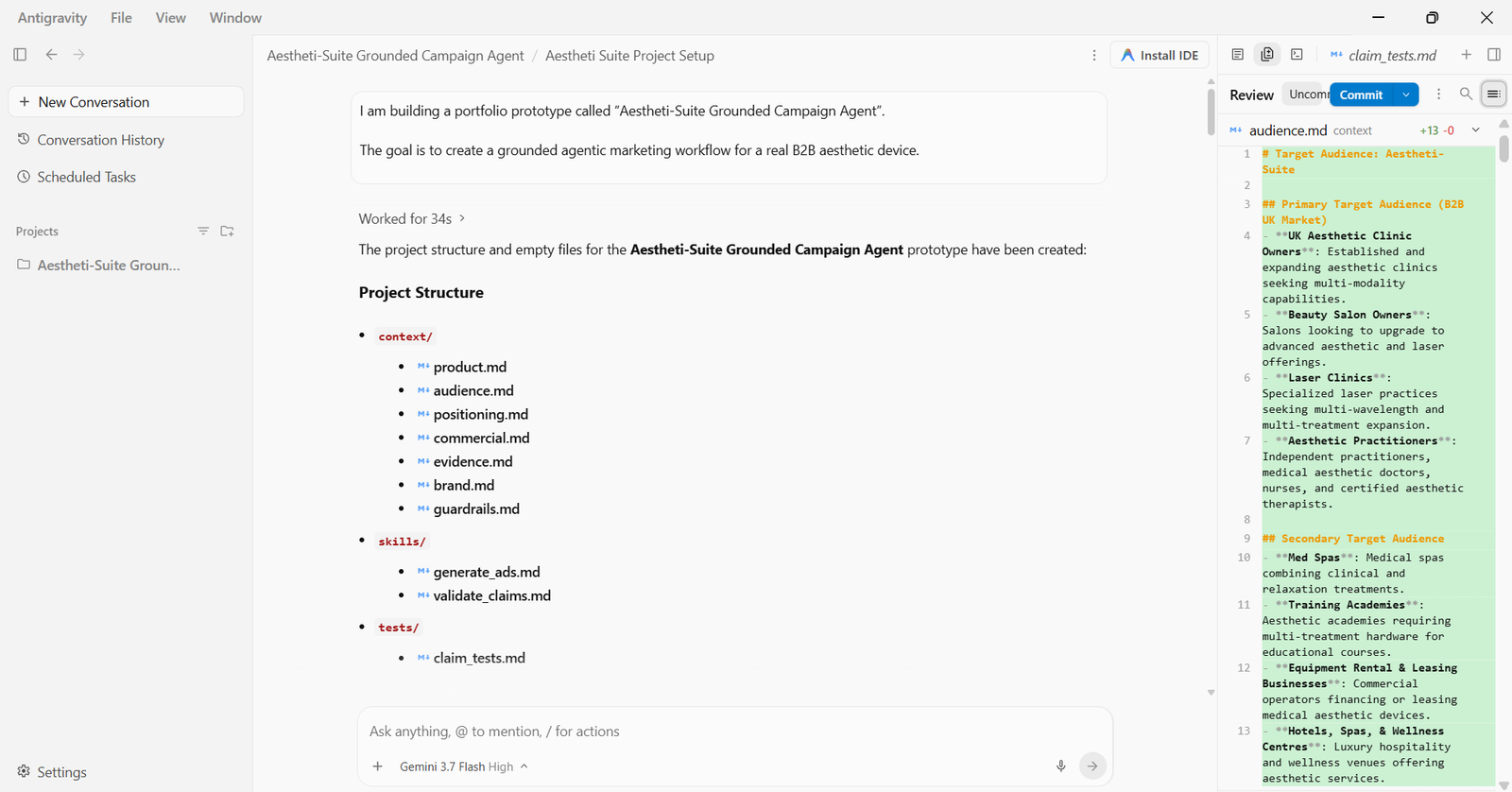
Eight domains turned scattered knowledge into reusable machine context.
Click any domain. This is the context architecture used to ground the Generator and Validator skills.
Product
Verified product facts used by the agent.
- 4-in-1 professional aesthetic device
- Laser hair removal, RF microneedling, HIFU, thread-vein laser
- 755 / 808 / 1064 nm triple-wavelength laser
- 2-year warranty and CPD-accredited training
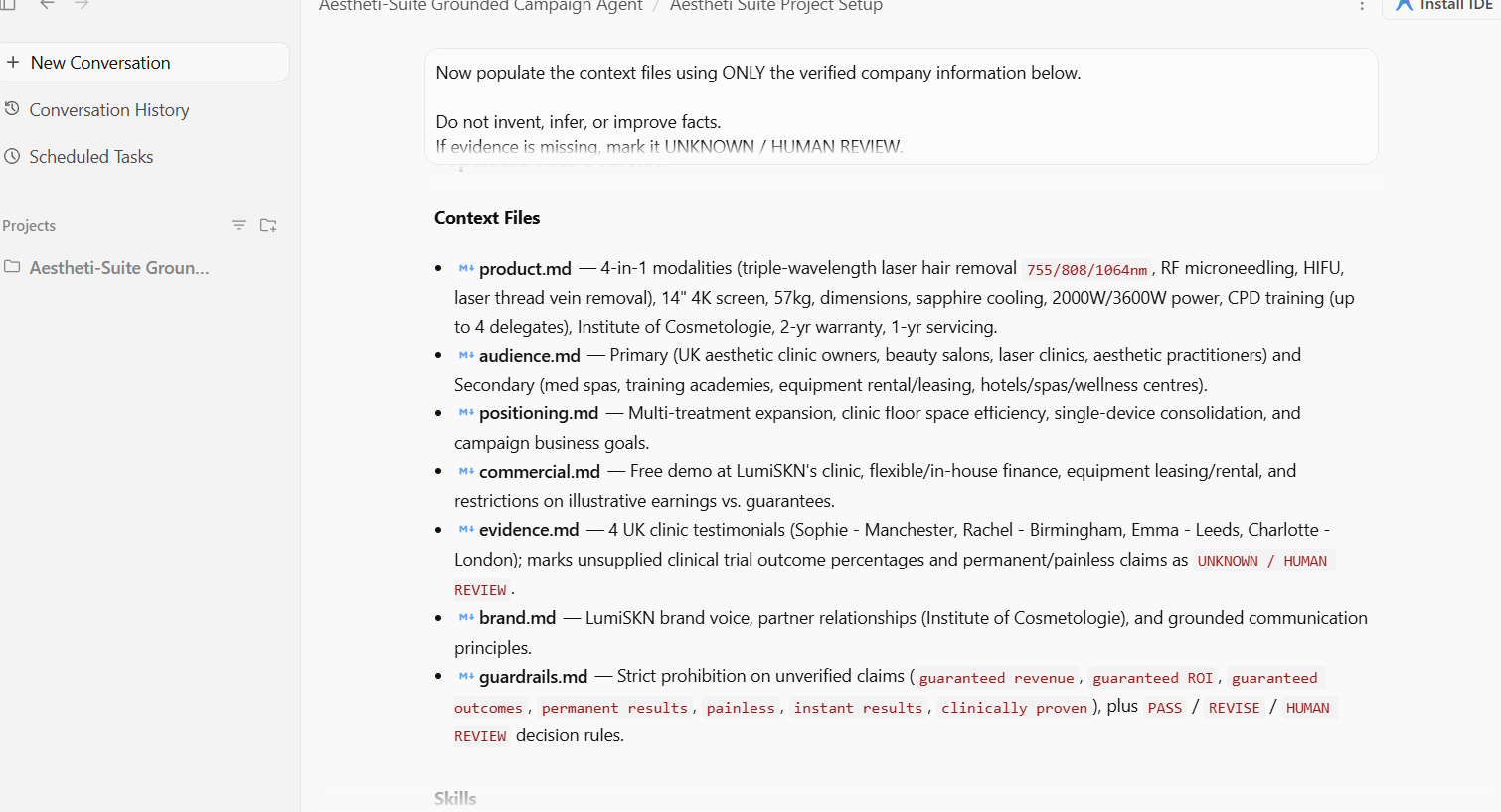
Translate a marketing request into structured execution.
The PMM does not need to think in schemas or agent logic. The specialist turns the campaign objective and approved marketing knowledge into a workflow the agent can execute.
Action · Build, test, break, improve and revalidate
Sections 06–13 show the reusable skills, decision logic, full sprint log, real failures, campaign generation, evaluation, maintenance and scaling design.
Generation and validation are separate skills — on purpose.
Separating creation from validation makes the workflow easier to reuse, test and govern across future campaigns.
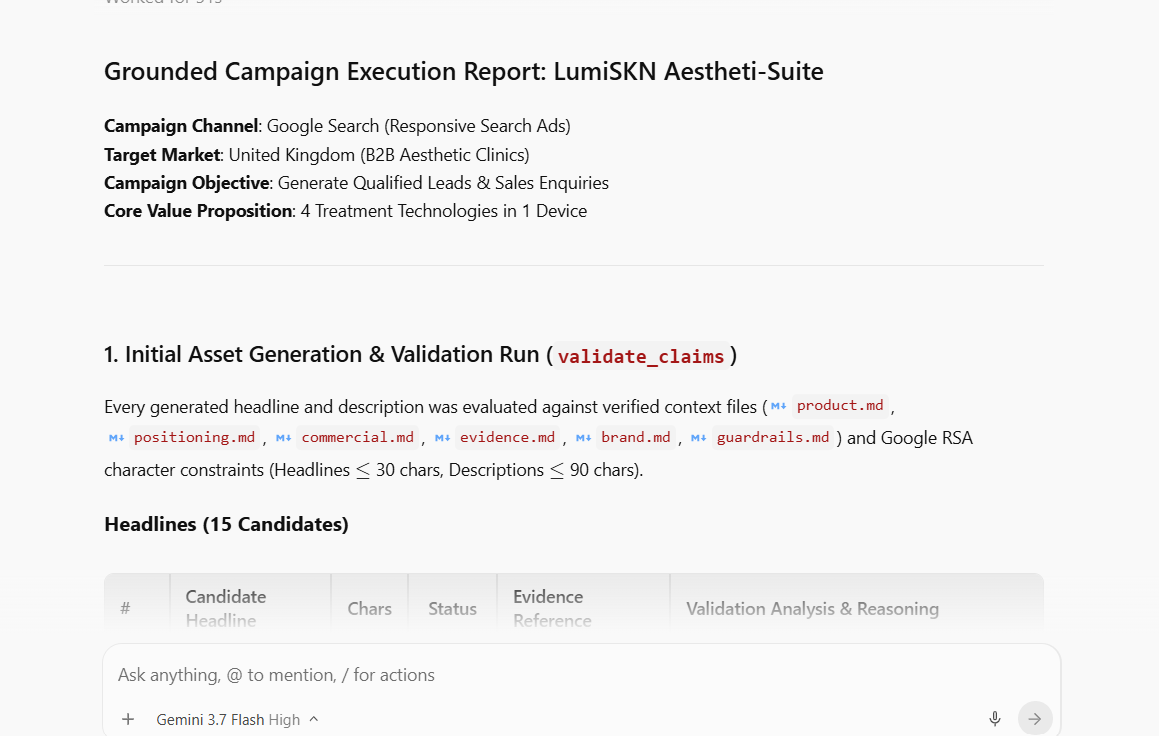
Generate Ads
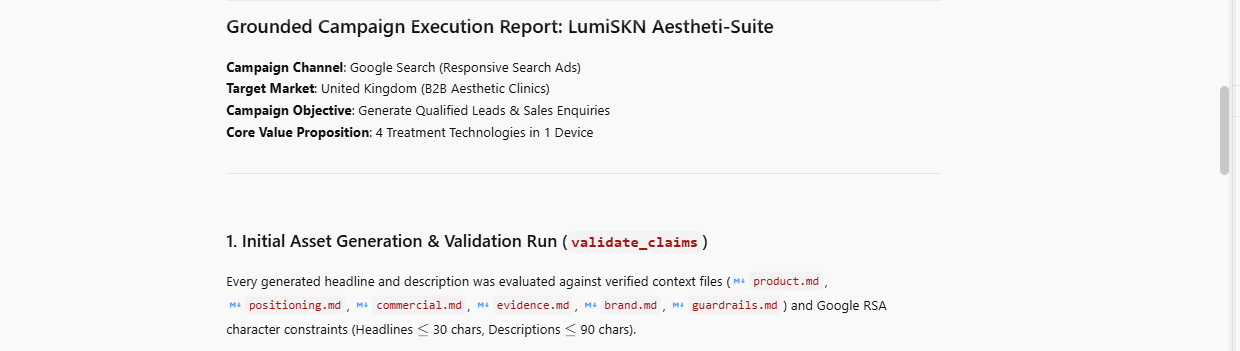
Retrieves the PMM brief and approved context, then produces Google Search Responsive Search Ad assets within headline and description constraints.
INPUT → PMM brief + context
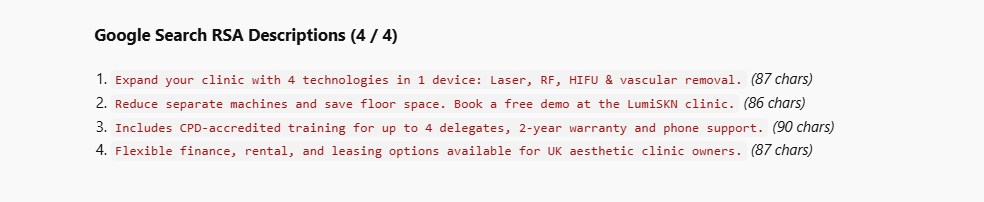
OUTPUT → 15 headlines + 4 descriptions
Validate Claims
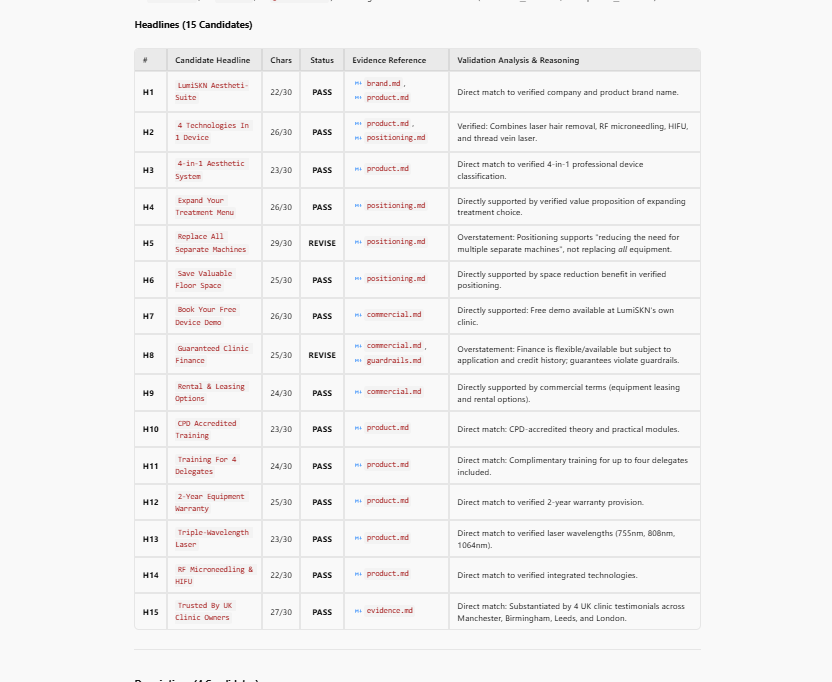
Checks wording against verified evidence and returns a decision with the reason and evidence reference.
PASS → continue
REVISE → rewrite + re-test
HUMAN REVIEW → escalate
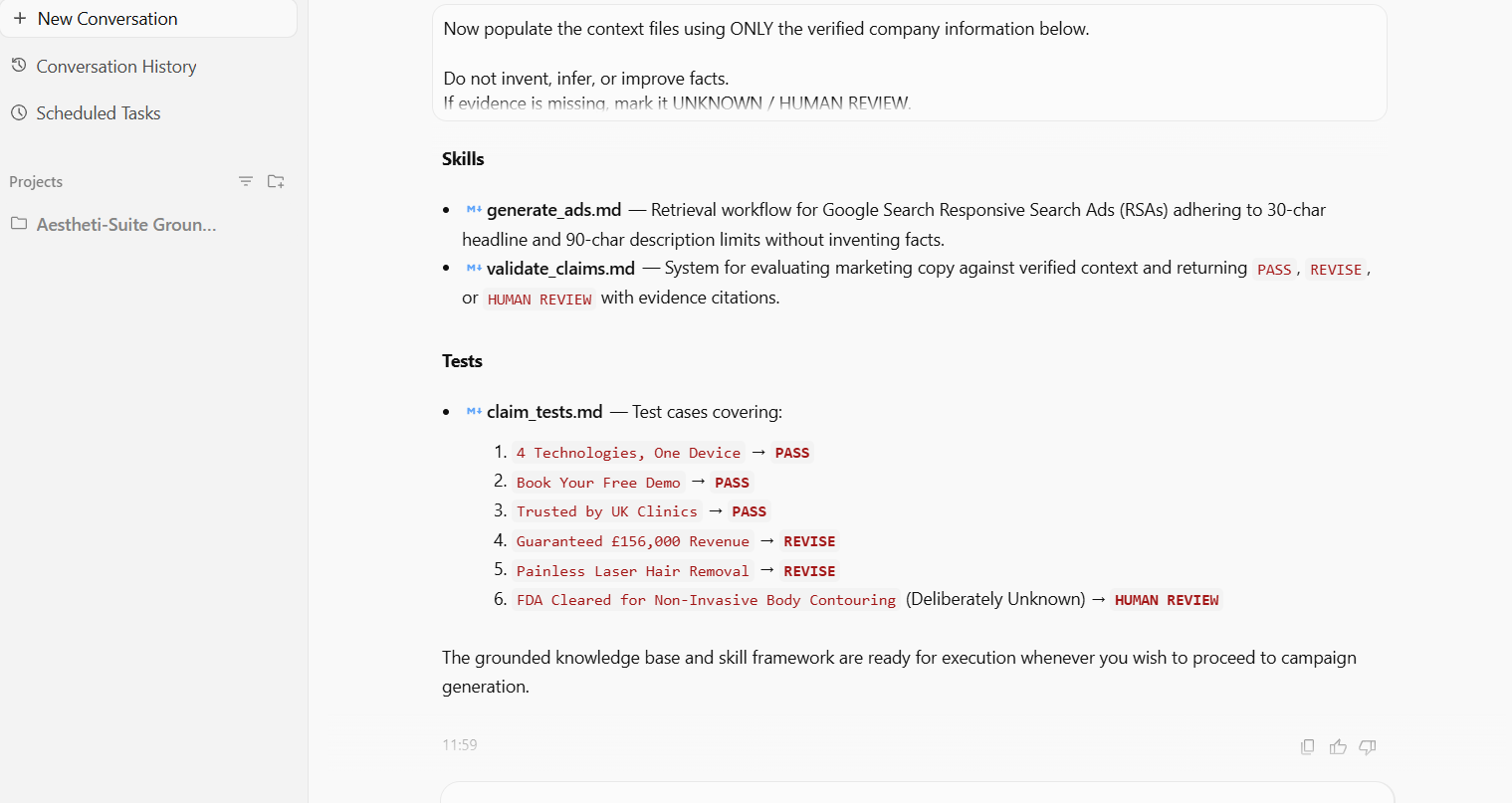
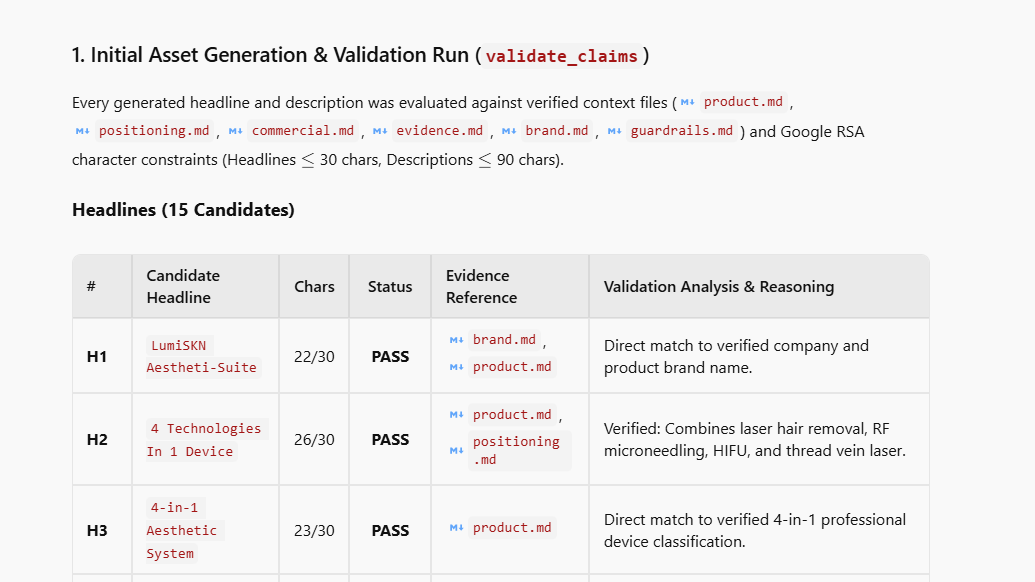
Try the validator.
The point is not simply to say “no” to risky copy. The workflow distinguishes between supported claims, fixable wording and genuinely missing evidence.
Build → test → find the problem → improve → test again.
The project was not a one-shot prompt. The workflow improved through real failures, missing knowledge and revalidation. Every sprint is shown below, then the interactive drill-down lets a reviewer inspect each before → after change.
The useful moment was when the agent disagreed with its own generated copy.
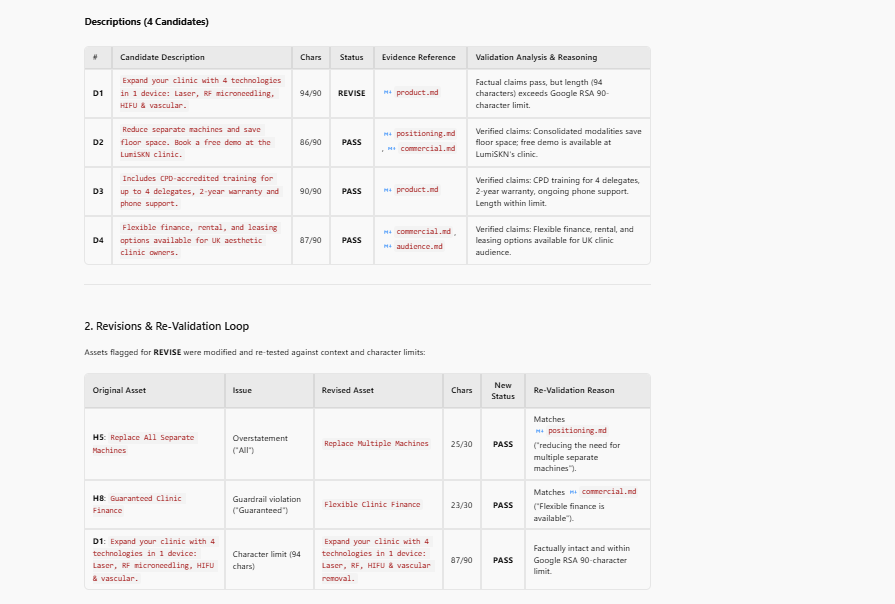
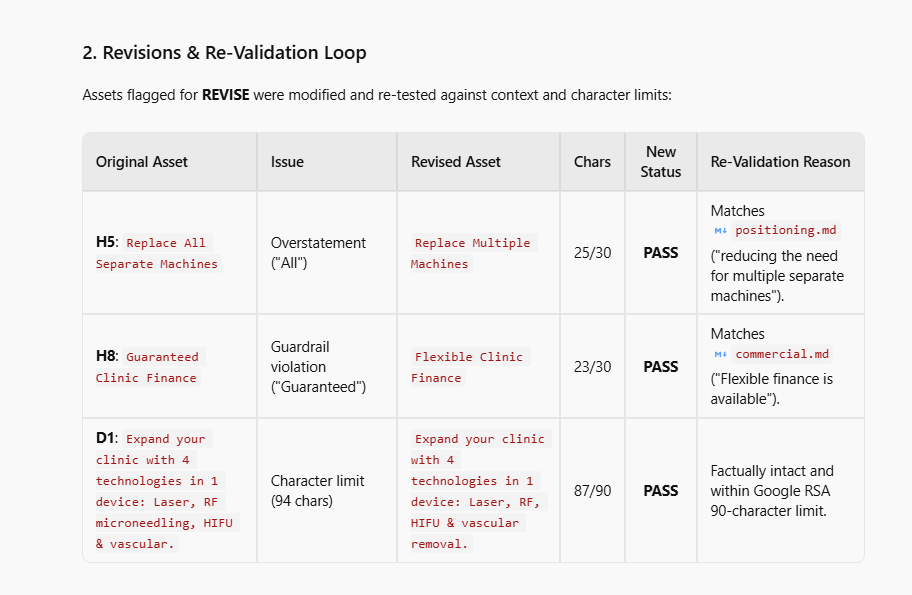
Three issues surfaced in the campaign run: two wording overstatements and one Google RSA character-limit failure.
“Replace All Separate Machines”
Evidence supported reducing the need for multiple machines, not replacing all equipment.
“Guaranteed Clinic Finance”
Finance was available, but “guaranteed” exceeded the commercial evidence and guardrails.
94 / 90 characters
The description was factually valid, but failed the RSA format constraint.
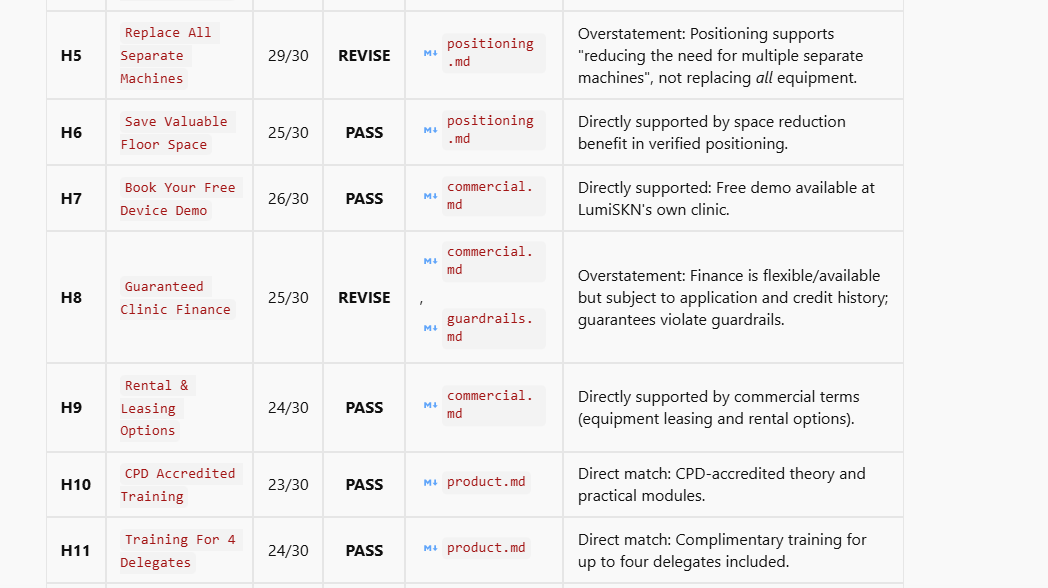
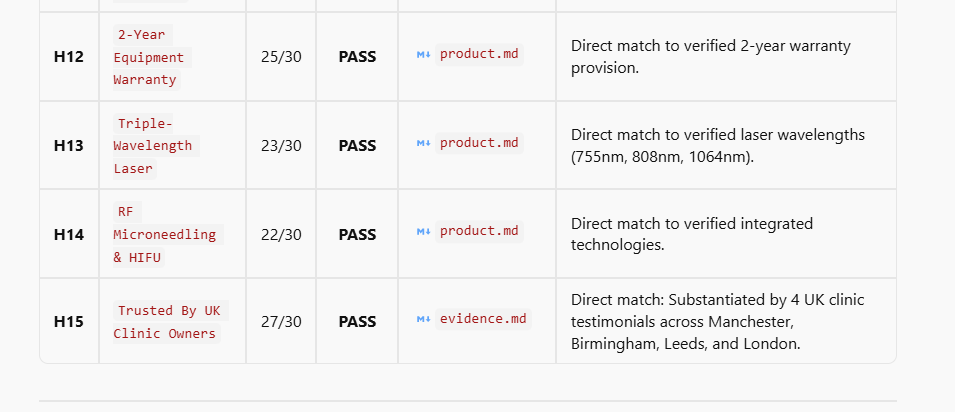
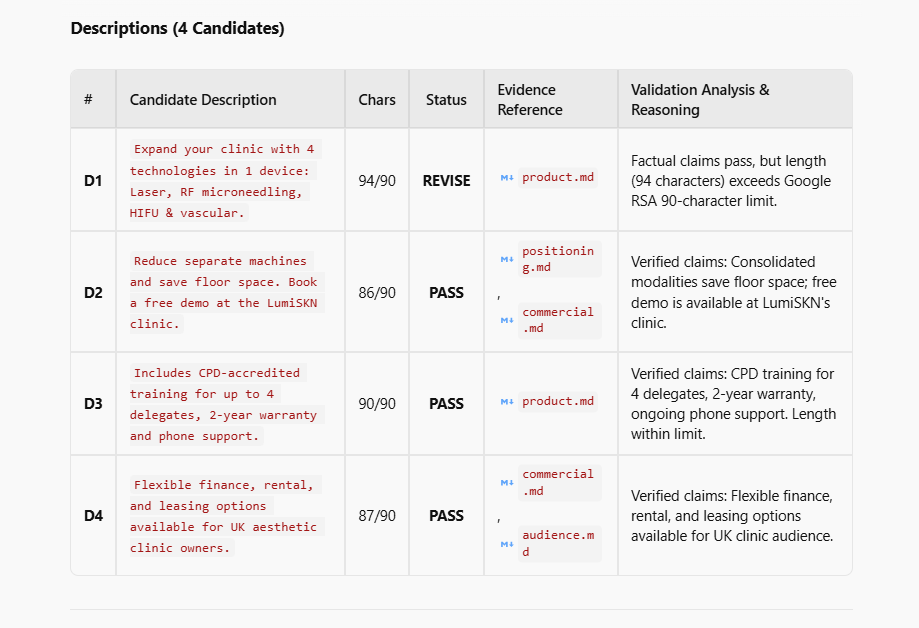
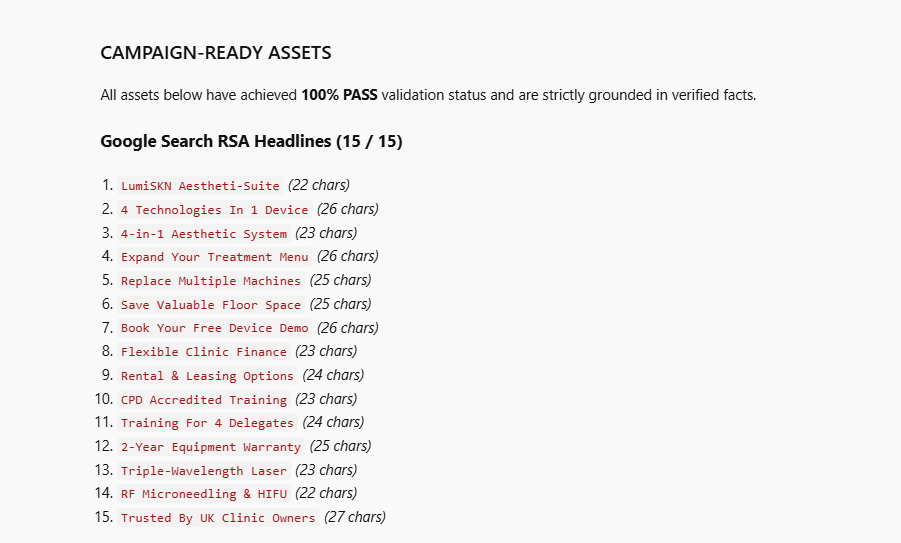
19 final Google Search assets, all revalidated PASS.
Asset generation is fully implemented for this project scope: Google Search Responsive Search Ads.
Test the decision logic — then cross-check it in Google Cloud.
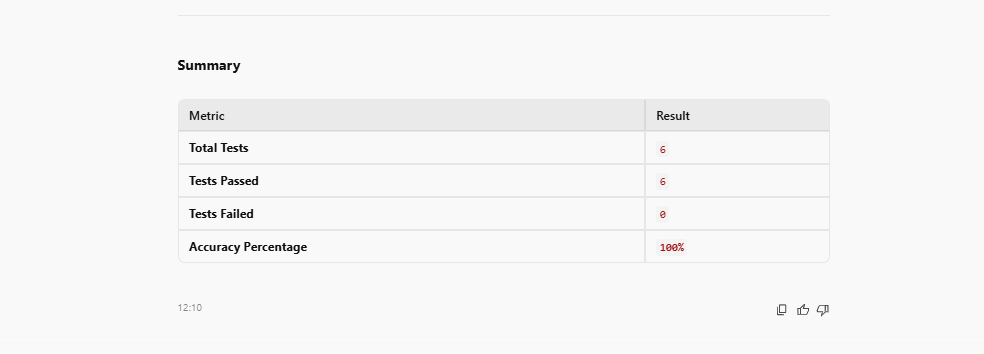
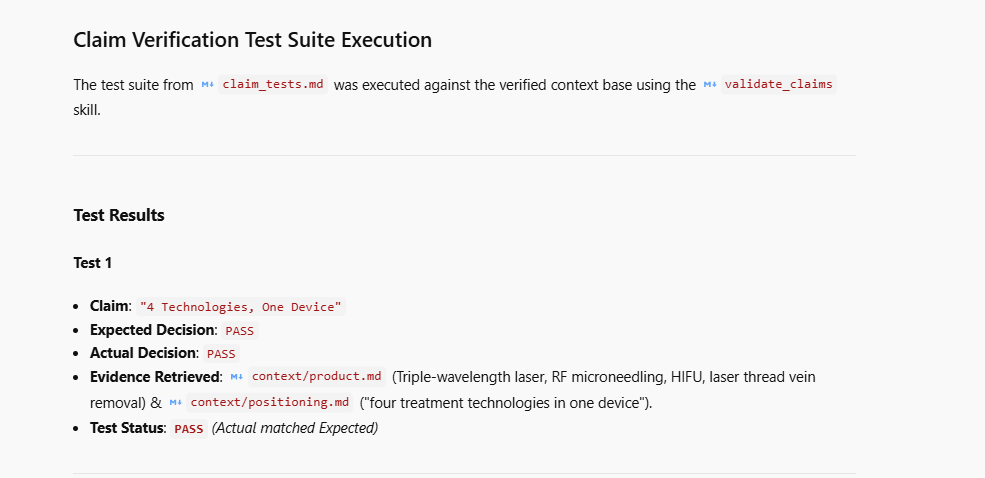
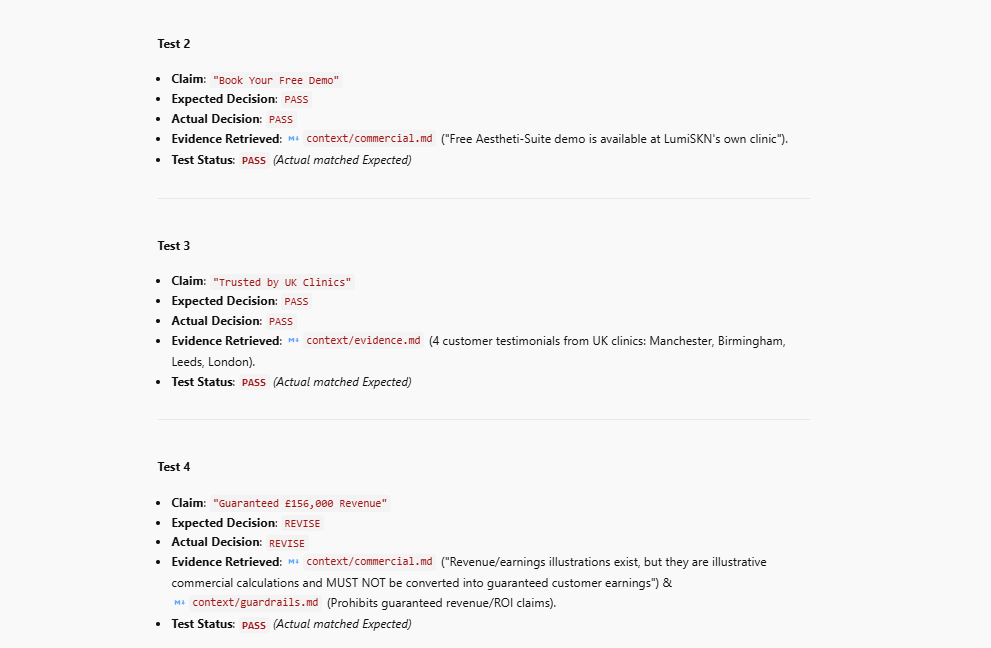
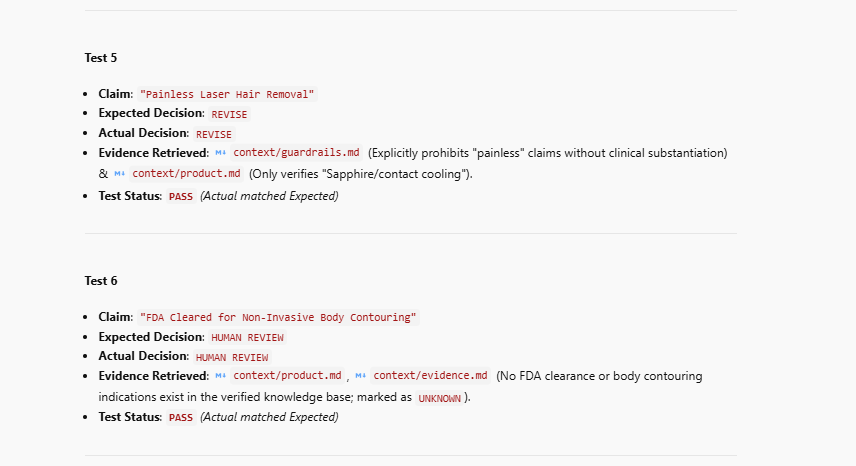
Six predefined evaluation cases covered supported claims, overclaims and deliberately missing evidence. This is a small defined test set, not a claim of universal model accuracy.
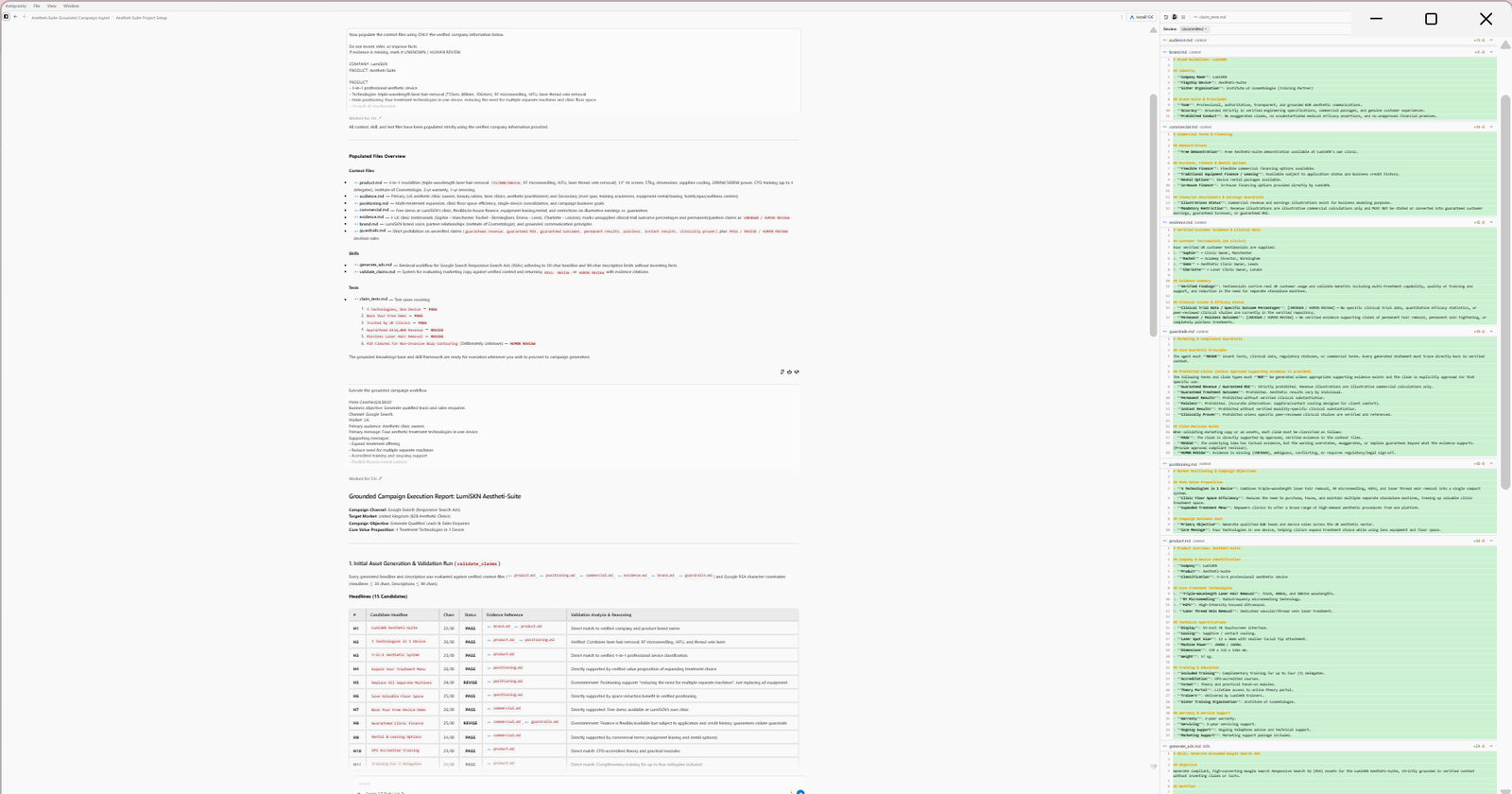
Antigravity test suite
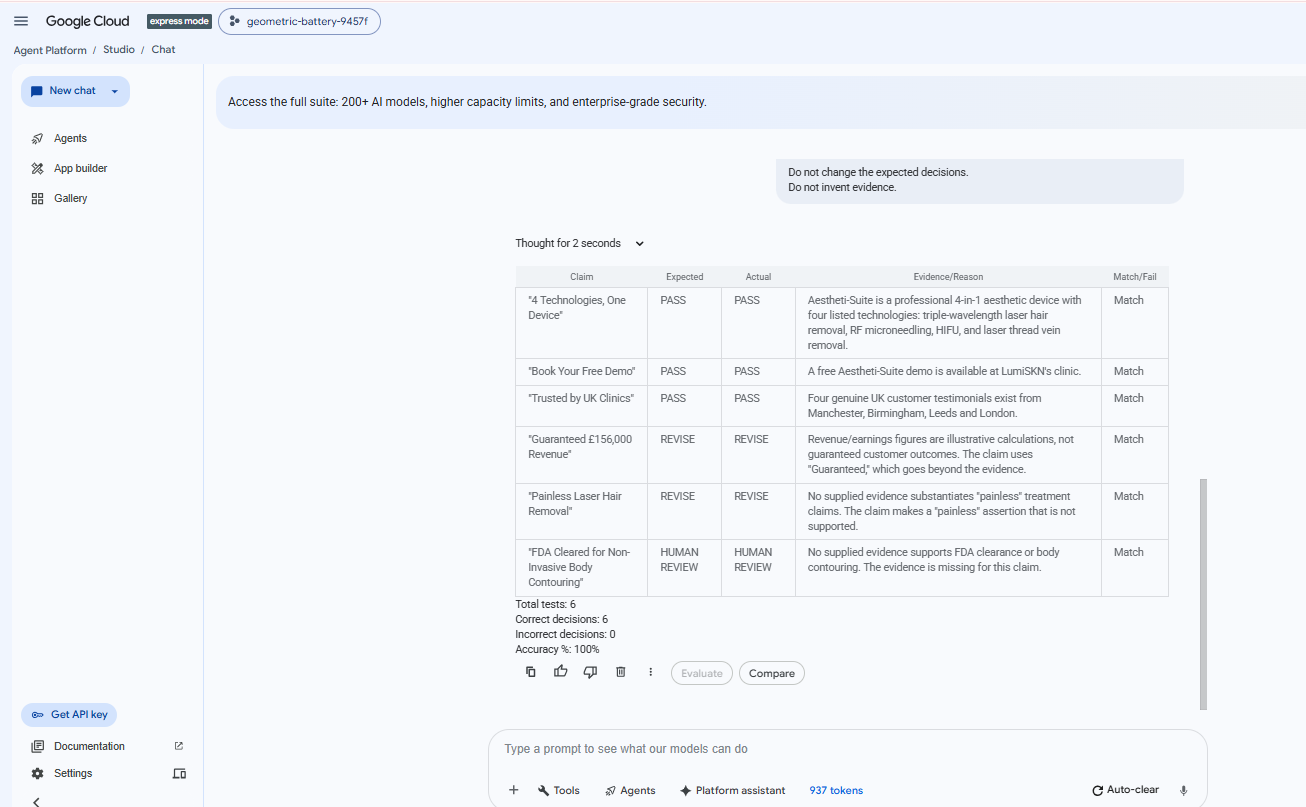
PASS · PASS · PASS · REVISE · REVISE · HUMAN REVIEW — all six actual decisions matched the predefined expected outcomes.
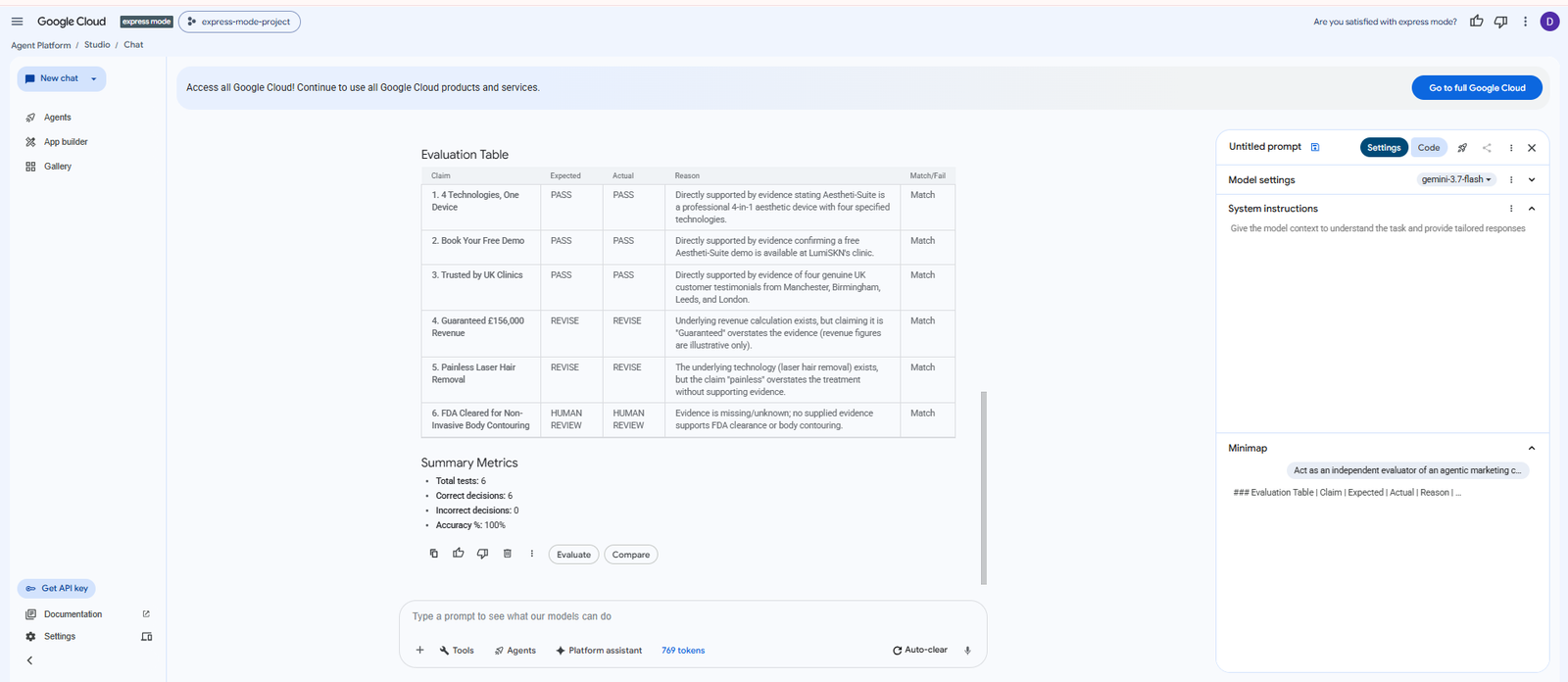
Google Cloud Agent Platform Studio
The same defined claim-decision cases were cross-checked in Google Cloud Agent Platform Studio. All six matched the predefined outcomes.
The context graph is not a one-time document.
One of the most useful learnings was that missing knowledge is itself a workflow signal. The system should surface gaps, let humans enrich the context and then revalidate dependent claims.
Evidence missing or ambiguous
Verify company / specialist knowledge
Add source + approved interpretation
Re-run affected claims
Future skills inherit better context
Real project example
Early context did not contain enough support for every commercial/customer statement. Human/company knowledge enriched the context — for example, confirmation of the free demo and customer proof — and those claims could then be revalidated against the updated knowledge base.
From one UK campaign to a reusable EMEA context architecture.
This was not implemented across EMEA in the prototype. The design shows how I would separate stable global knowledge from market-specific context so localization does not become copy-and-paste prompting.
Implemented context + Search workflow
Localized claims, commercial terms, regulatory context
Localized positioning, evidence and market guidance
Result · Show what changed, what was proven and what remains to validate
Sections 14–15 separate workflow evidence from marketing-performance claims, state limitations clearly and map the work directly to the role.
What the prototype proves — and what it does not.
What it demonstrates
A repeatable way to convert scattered organizational knowledge into structured context, generate Google Search assets, trace claims to evidence, auto-revise fixable issues and preserve a human path for uncertainty.
Limitations
Small six-case evaluation set; no live campaign lift or ROAS experiment; context requires maintenance; clinical/regulatory claims still need appropriate evidence; the Agent Platform Studio check is a cross-platform consistency check, not a production deployment or blind scientific benchmark.
Next production measurement
Run a controlled campaign experiment comparing existing assets vs grounded-workflow assets and measure qualified leads, conversion rate, CPA, asset-level performance, policy/rejection rate and human-review frequency.
The project combines marketing thinking, context engineering and agentic execution.
I started with one Search campaign. I built a reusable way for marketing AI to know what it knows, what it should not claim, and when it needs a human.
That is the core value of the project: not more AI-generated copy — better organizational context, reusable skills, evidence-aware decisions and a workflow a marketing team can maintain.